

Enhancing Male Fertility: Integrating Flow Cytometry, OMICs, and Nano-Purification
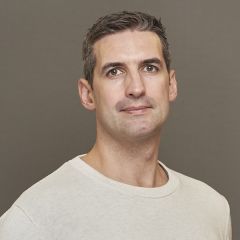
Dr Arumugam Kumaresan
Tuesday, 20 January 2026, 1pm to 2pm
Hosted by seminars@wrh.ox.ac.uk
Abstract:
Declining semen quality has been widely reported in both humans and livestock, contributing to a growing global burden of male infertility. Despite this trend, the underlying biological mechanisms remain incompletely understood. Using the bovine model, this presentation highlights an integrated, technology-driven framework to evaluate and enhance male fertility. Advanced flow cytometry enables detailed phenotypic characterization of sperm, while multi-omics approaches—including transcriptomics, proteomics, and metabolomics—uncover molecular signatures associated with sperm function and fertility potential. Complementing these analyses, magnetic nanoparticle–based nano-purification facilitates the enrichment of high-quality sperm populations, offering practical benefits for artificial insemination programs. By combining these techniques, we built predictive models that offer a comprehensive understanding of bull fertility, enabling more accurate fertility assessments and optimized breeding strategies.
Bio:
Dr. A. Kumaresan is as a ICAR National Fellow & Principal scientist of Animal Reproduction at Southern Regional Station of ICAR-NDRI at Bengaluru, Karnataka, India. He obtained Ph D from IVRI, Izat Nagar with specialization in Veterinary Gynaecology and Obstetrics and is a post-Doc from Swedish Agricultural University, Sweden. He also holds a post graduate diploma on “Reproductive Endocrinology” and “Comparative Reproductive Biotechnologies” from Centre for Reproductive Biology, Uppsala, Sweden. He has also undertaken post-doctoral research at the University of Wisconsin, Madison, USA and University of Guelph, Ontario, Canada.
SEMINAR MANAGEMENT
Dr Mike Suttie manages our department seminars. If you would like to recommend a speaker, please get in touch at seminars@wrh.ox.ac.uk
OTHER EVENTS: OXFORD TALKS
Oxford Talks is an online list of events happening across the University. All the events listed are then included in the divisional website’s events calendar here and a weekly events digest, which goes to 1500+ staff and students across the division (who have opted in to receive the digest, number growing daily).
If you would like your event to be included in Oxford Talks, please contact communications@wrh.ox.ac.uk
Past Seminar recordings
Our seminar recordings are only available to members of NDWRH here.
If you do not have access to our intranet site linked above and would like to view a past recording, please contact seminars@wrh.ox.ac.uk